Category Archives: North Cornwall

Polly Joke beach

View map of beach Parking available South West Coast Path SSSI Dog friendly

Season: autumn

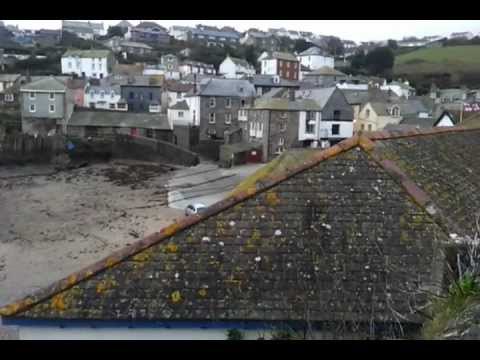
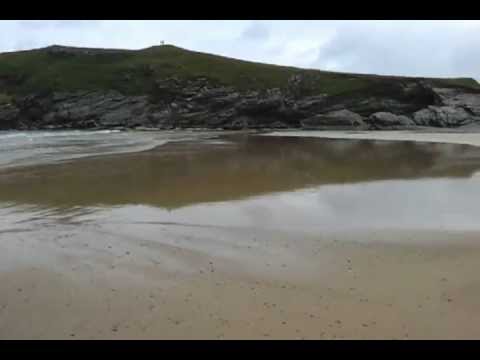
A serious candidate for the most beautiful beach in Cornwall, Polly Joke is utterly unspoilt. Sitting round the headland from Crantock on the north coast, Porth Joke or Polly Joke has no development on its edges and looks as it always has throughout time.  This visit was during the Indian summer of 2011 at low tide, when I caught it at its best.  There is National Trust parking and access is a bit tricky, but it’s well worth the effort.  It’s perhaps best to park next to the Bowgie Inn on the headland and walk round.

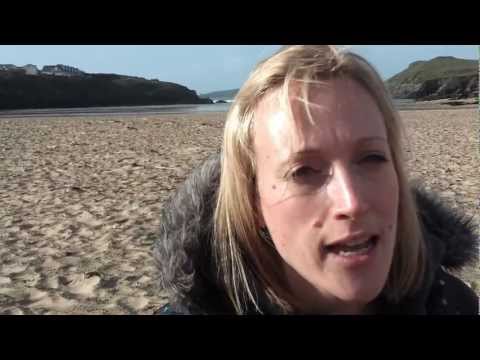
A wonderful testimony to Polly Joke, expressing the affection so many people have for this special beach.

Bright sunshine at Polly Joke beach, viewed from the path above.

Season: summer

A low tide greeted me at Polly Joke.  The arresting beauty here never alters, but its nuances are ever changing.  Today the warm breeze and bright sunshine highlighted the paler colours in the granite headlands on either side of the beach.  Seasonal visitors were surfing and sunbathing and there was room for everyone.

Vanessa emerges from the sea, featured here with her son Henry.

With Jason, by the water’s edge.

Season: spring

This is a magical beach at any time, but I recommend catching it in the morning at low tide, as was the case on this occasion.  Springtime wild flowers were starting to deck West Pentire’s hillsides, the rare cowslips, bluebells and primroses mingling with the cliff-side sea pink.  The beach was deserted and is undeveloped, invoking a sense of timelessness in the visitor.  Polly Joke is a wild inspiration, a real tonic in a complicated world.

Part of Pete’s routine in a stunning setting.

A view of Polly Joke from West Pentire.

Down on the beach.

Season: autumn

The beach was quiet and tranquil, with just the sound of the birds and the distant sea, as I walked down from West Pentire past the fallow poppy fields.  On mornings like this, you can lose yourself in the beauty completely.  Polly Joke is pristine, its timeless nature intoxicating.  You get to the water’s edge and have to remind yourself how and when you got there, most odd and satisfying.

Part of Elaine’s and Jane’s routine through time.

Looking down on a wonderful beach in the morning.

Season: summer

This spectacular beach is one of the most viewed in the manonabeach® series, reflecting people’s deep affection for it and the surrounding countryside.  At low tide, a long band of sand leads back from the water’s edge to the dunes and the fields beyond.  You can stand in the middle of Polly Joke beach and turn a full circle, without seeing any sign of human development.  There are magnificent walks in both directions from this beach, plus wildlife to enjoy throughout the year, as well as wild flowers during this spring and early summer season.

With Christine at Polly Joke beach.

By the water’s edge at low tide.

Season: winter

Polly Joke is an unspoilt inlet on the other side of West Pentire from the expansive Crantock beach.  If you’re heading this way in late Spring or early Summer, I’d advise approaching Polly Joke from West Pentire to see the spectacular wild flowers that are being encouraged by the National Trust’s Arable Fields Project.  The lime-rich grassland is a haven for poppies and marigolds.

The beach at dawn.

Seals feeding off the rocks at Polly Joke.

The beach after the tide has receded and the day has begun,

Harlyn Bay

View map of beach Parking available Toilets available South West Coast Path SSSI Dog friendly RNLI lifeguard cover Easter weekend and May 4 - September 29 Beach cleaned regularly Good water quality for swimming

Season: winter

Harlyn Bay is one of the most picturesque beaches on the North Cornwall Coast, popular with locals, visitors and surfers alike.  On this occasion the low tide and bright sunshine made for a benign winter scene, with messy, white-topped Atlantic surf and a sheen on the beach from the receding tide.  The beach is flat and ideal for an unwinding winter stroll, or as a place from which to gaze out to sea.

The sound of the sea with Ben and Hannah.

Low tide in the winter sunshine at Harlyn Bay.

Season: summer

Many visitors were enjoying Harlyn Bay under clear blue skies.  A rising tide still leaves plenty of room on this expansive stretch of sand.  Bathers are well protected by the RNLI crew, who have a cabin at the back of the beach.  This part of North Cornwall boasts many exquisite beaches, including Mother Ivy’s Bay, Trevone and Constantine Bay close by.  Harlyn Bay is also well placed for trips to nearby Padstow.

The natural appeal of the beach for Sue.

Summertime at Harlyn Bay.

Season: summer

A grey, blustery afternoon on Cornwall’s North Coast coincided with a high tide at Harlyn Bay.  I was just able to reach the far end of the beach, away from the other hardy beachgoers.  The geology here is striking, as if the sedimentary slabs of black rock have been systematically dismantled.  Today Atlantic breakers coursed in relentlessly as visitors bobbed about on boogie boards in the surf.

With Chloe and Ben on the beach at Harlyn Bay.

A different perspective at the end of the beach.

Season: winter

The sea was wild and rugged for this winter visit.  It was misty and mild, a counterpoint to the pounding sound of the waves.  I met two couples, who each explained what pulled them to the beach.  It felt great to be near the elemental power of Cornwall’s north coast at this time of year.

With Max and Sarah, who explain what the beach means to them.

John and Wendy, on holiday from Bath, compare Cornwall to the sea near to their home.

The beach at Harlyn Bay in winter.

Season: autumn

This is a popular North Coast tourist beach.  I was struck by how much more sand there was on the beach compared to my last visit, reminding me how much sand can be moved by the motion of the tides.  I saw the seasonal end of the tourist time for the beach, with a surf lesson taking place for some visitors from Southampton.

I chatted to a surfing instructor, Ollie, who considered Cornwall’s place in a wider society today.  Ollie had spent his whole life in the county and explained some of the pressures facing young people.

Harlyn Bay’s beach on the morning after a storm.

Little Fistral beach

View map of beach Parking available Toilets available South West Coast Path Dog friendly Beach cleaned regularly Good water quality for swimming

Season: spring

A bright evening greeted me on this occasion.  Half a tide played against the beach and there was a blue sea beyond.  A sunset was forming as the sun started to drop towards the horizon.  It was a time for reflection towards the end of the day.

The solace of the beach for Chris.

The beach as part of a lifestyle in Newquay.

A fine vista at Little Fistral beach in the early evening.

Season: spring

Sunshine greeted me here in Newquay and it was exceptionally mild, with a hazy, blue sky.  The ocean had scoured out the sand from the lower reaches of the beach, revealing weird, polished rock formations.  Little Fistral is a dangerous, steep beach with a strong undertow and plenty of rip tides, so great care is needed in the water.  Towan Head, next to the beach, is a popular coasteering location.  My chat with Chris and Simon throws some light on this relatively new pastime.

After a working life took them away from their beloved West Country, Ron and Pauline were kicking back on the beach in reflective mood.

Seen from the water’s edge, spectacular waves arrive at Little Fistral beach in Newquay.

Season: winter

This was a welcome return to the mesmeric waves and surf of Cornwall’s North Coast.  I went along to the Cribbar Rocks to witness the awesome power of the North Atlantic swell at the point break.  Cycling along the headland was Tim, originally from Bradford, who’d made a life change to enjoy Cornwall and its wild nature.

With Tim above Little Fistral beach.

At the Cribbar Rocks, looking out to sea.

Little Fistral beach and its rocks in winter.

Towan Head

View map of beach Parking available Toilets available South West Coast Path Dog friendly

Season: winter

Wild storms lashed Towan Head.  John, an experienced local fisherman, explains that you can multiply the time between the waves by 0.75 to calculate the speed of the waves in metres per second.  There was a gap of thirty seconds between these waves. The power of the ocean, when seen from such an exposed headland, is quite awesome and a reminder of the danger of reckless interaction with such forces.

John’s experiences with this weather over time.

A wild day at Towan Head.

Season: spring

A bright evening greeted me at Towan Head in Newquay.  With Easter approaching, couples and families were walking the beaches and headlands of Newquay, enjoying the welcome return of blue skies and some high pressure after recent winter storms.  Half a tide played against Little Fistral and Fistral beaches and there was a blue sea in the bay as I looked across towards Great Western and the other Newquay beaches.  It was a fine way to end the day.

Clare and Toby at the end of the day.

Season: summer

A mild, overcast morning coincided with a high tide that was just starting to fall back next to the headland.  A vibrant sea pummeled the rocks facing the Atlantic Ocean.  As I looked back to the beach from the lookout post, the party-goers of Newquay slept through this vibrant start to the day.

Two early morning joggers at Towan Head.

Next to the action in the morning at Towan Head.

Season: summer

Looking across to Trevose Head and its glinting lighthouse just before dawn, my view was interspersed with fishing boats making their way out from the harbour at Newquay.  As the sun broke over the headland, they crossed a golden shaft of light that fell against the sea.  Such a scene stays frozen in one’s visual memory, stored away as a comfort for rainy winter days and dark nights.  There’s a fine view back towards both Fistral beaches from Towan Head, sitting elevated and proud against the Atlantic breakers.

An early morning spot of mackerel fishing for Ken.

Just before dawn on Towan Head.

Great Western beach

View map of beach Toilets available South West Coast Path Dog friendly RNLI lifeguard cover May 18 - September 29 Beach cleaned regularly Good water quality for swimming

Season: winter

Bright sunshine greeted me at Great Western beach.  The tide was low, allowing access to neighbouring Tolcarne and Towan beaches.  This is a great place to look out from, with a view taking in Newquay harbour and stretching right round to Trevose Head lighthouse.  Weekending beachgoers were enjoying a respite from the winter storms, which had left their destructive mark on these beaches and the buildings behind them.

What the beach means to Sophie.

Low tide at Great Western beach in the sunshine.

Season: spring

It was a blustery morning.  Bleary party-goers from the previous night wandered about the town as I headed down to the beach on the road behind the Great Western Hotel.  The tide was out, giving access to Lusty Glaze and Towan beaches from Great Western beach itself.  The ebb tide created a familiar glistening effect on the sand.

Theresa and her enjoyment of the beach.

The open Great Western beach in Newquay.

Rock beach

View map of beach Parking available Toilets available South West Coast Path SSSI Dog friendly Good water quality for swimming

Season: autumn

Rock is a jewel in the North Cornwall crown.  Sitting across the River Camel from popular Padstow, there’s a serene calm in the morning here before the up-market eateries and shops open.  The beach is expansive, backed by sand dunes that have intricate pathways in which to lose yourself.  The views from the beach are breathtaking, all the way along past Brae Hill to Daymer Bay beyond.  The village has all the facilities that you might want on your holiday or for a day visit.

What the beach means to Cat and Will.

A succinct testimony from Claire and Fraser.

Sunshine all the way at Rock.

Season: autumn

At dawn, imagine the pull of tidal water, with a full moon that has caused the high spring tide straight ahead of you and with the emerging sun over the sand dunes directly behind you.  On an exposed sand bar, right at the moment of the furthest magnetic pull of the tide, you are part of a natural harmony.

Monica’s morning routine.

A fine panorama on a high spring tide.

Season: summer

A bright, blowy day brought the dinghies out onto the River Camel.  There were plenty of visitors up bright and early, taking the ferry over to Padstow.  Looking up the estuary to Stepper Point, it became clear why so many people are drawn to this part of Cornwall, such is the unspoilt beauty here.

With Katie, a regular visitor to Rock, explaining her reasons for returning.

At the Porthilly end of Rock, where most of the sailing takes place.

Season: winter

Although chilly, Rock and the beach were bathed in sunshine for this mid-December visit.  The car park and toilets are right next to the beach and there are eateries lining the road.  The River Camel has one of the most beautiful estuaries in Cornwall and Rock has retained a sense of tranquility during the off-season, as the tourist spotlight has tended to move across the water to Padstow in recent years.  Rock is a highly desirable place to visit, not least due to the outstanding walks round to Daymer Bay and on to John Betjeman’s Greenaway and Polzeath.

Listening to Dominic of the Rock Rowing Club on a sunny December morning.

My chat with John, one of the pilots of the Rock ferry.

Watching the return of the Jane D training gig for the Rock Rowing Club after practice.

Port Quin

View map of beach Parking available Toilets available South West Coast Path National Trust Dog friendly

Season: winter

Laid out in front of me was the aftermath of the previous evening’s storms.  Boulders were strewn over the road and beyond.  This beach has National Trust parking and is a haven for fair weather visitors, but there is equal majesty off season, nature in all her forms at this melting pot.  Even as the debris was being cleared, the sun broke through and another fine day began in this idyllic corner of North Cornwall.

Viv from the National Trust surveys the storm damage.

The calm after the storm.

Season: autumn

A misty gown cloaked Port Quin for this morning visit.  I walked out to the headland and the site of Doyden Castle, with its remaining Victorian tower.  Greys, whites, blues and blacks melded together on the horizon, with the Rumps to the west and Port Isaac round to the east.  Looking back along the narrow, peaceful inlet towards the hamlet of Port Quin on a high tide, it was hard to imagine this as the scene of shipwrecks in the past.

Theresa’s enduring affection for this inlet and its familiarity to her.

Looking back towards Port Quin on a high tide.

Season: spring

Port Quin is an unspoilt cove, just west of Port Isaac.  This is a great location to start a South West Coast Path walk.  I would describe the section from Port Quin to Port Isaac as one of the most beautiful sections of the entire walk, although it’s hard on the calf muscles.

A visiting couple appreciate the light and more…

Port Quin at high tide, seen from the slipway.

Port Isaac beach

View map of beach Parking available Toilets available South West Coast Path Dog friendly

Season: autumn

A protective harbour wall divides the village of Port Isaac and its harbour from the Atlantic Ocean, which can be a wild place.  Interviewee David works on the fishing boat you can see in the scene setting film below.  Her skipper Julian was interviewed in an earlier visit.  A long tradition of fishing out of Port Isaac is part of the fabric of the village.

The beach as a way to the sea.

By the water at Port Isaac on a high tide.

Season: summer

At the height of summer, an evening visit to Port Isaac coincided with a high tide in the fishing village.  Prior to the school holidays, there was a relaxed atmosphere to complement the bright sunshine.  With the sea lapping against the slipway and the boats safely moored, this was a picture of tranquility.

With Brian and Celia above the harbour at Port Isaac.

The beautiful harbour at Port Isaac on a full tide.

Season: winter

On this occasion I was confronted by the aftermath of the previous evening’s storms.  Tiles were dislodged from the roof of the fish cellars and the storm boards on the RNLI station had been destroyed.  As the clean-up work continued, the sun promised a fine day ahead, the calm after the storm.

Byron describes the storm damage at Port Isaac.

The scene on the beach at low tide.

Season: winter

Port Isaac is an iconic Cornish fishing village.  This popular visitor attraction was peaceful out of season, allowing me plenty of space on the beach and the chance to chat to local fisherman Julian, who explained the dynamics of the fishing market and the importance of Port Isaac to him and his family over many years.

With fisherman Julian on board his boat in the harbour.

The beach at Port Isaac, seen from above.

Bedruthan Steps beach

View map of beach Parking available Toilets available South West Coast Path SSSI National Trust Dog friendly

Season: spring

Imagine waking from your favourite dream and finding yourself standing there in real time.  If I were you, I would wake up at this beach on this morning, exactly as you see in the scene setting film below.

Simon explains what the beach means to him.

As good as it gets.

Season: summer

This wild and elemental beach is a spring to autumn treat, considered to be too dangerous to access through the winter months.  As a result, it’s always popular when open, with parking provided by The National Trust.  The best access is via their Carnewas car park, which has a tearoom. After the steep climb down, you’re greeted by unblemished nature.  The best time for a visit is at low tide, when you can enjoy the exposed sea stacks and gaze in awe at the wide difference here between low and high tide.

Stefan and Jo’s landmark elemental association with beaches.

Wild nature at Bedruthan Steps in North Cornwall.

Season: summer

This evening visit at low tide showed off the sand patterns and eddies.  The sea was alive and people were enjoying the release of being out in the elements.

With Alison, Hannah and Kevin in the teeth of the sea and wild nature.

Season: autumn

From an autumnal point of view, Bedruthan Steps beach is only accessible up to the end of October.  This visit was on the day before it closed.  The weather was beautiful towards low tide, which is the only time you can get down there (+- 2 hours either side).  The beach is highly atmospheric, with spherical white quartz pebbles and stones fashioned and churned up in the far back corner.  There are many granite intrusions on the beach.  I also filmed a sea stack which showed the eighteen feet difference between high and low tide, marked with lines of mussels.

Bedruthan Steps beach, as seen from above at low tide.

Evidence of the wide tidal range on Cornwall’s coastline.

A wide expanse of beach and sand.

The rocks by the water at Bedruthan Steps.

Here are two walkers at Bedruthan Steps.  They were both much traveled.  He had spent a lot of time fell walking and mountaineering in the Lake District.  He was not the first person to tell me that there is nowhere in England with beaches like the north coast of Cornwall.  There’s also an interesting Northern European insight from his partner.

Porth beach

View map of beach Parking available Toilets available South West Coast Path Dog friendly RNLI lifeguard cover Easter weekend and May 21 - September 5 Beach cleaned regularly Good water quality for swimming

Season: summer

Porth beach, located just to the east of Newquay on Cornwall’s north coast, is long and flat.  At low tide it’s a surprisingly wide expanse of sand.  As the tide turns, the sea moves quickly over the flat sand in a tidal race before it slows down for the wider section of the higher beach.  It was exhilarating to witness this from low tide.

What the beach means to Paul.

Low tide at Porth beach in the morning.

Season: winter

A wild wind whipped up the sea, looking down from the island next to Porth beach on a low tide.  The deep, narrow beach was fully exposed, leading back to the coast road which heads north east out of Newquay.  It was mild enough to sit on the sand with interviewee Laura with her children and dog.  The low tide brought the jagged cliffs into view, stark against the driving Atlantic swell and breakers.

Laura’s family values at the beach.